Virtual Resource Room Navigation
Home
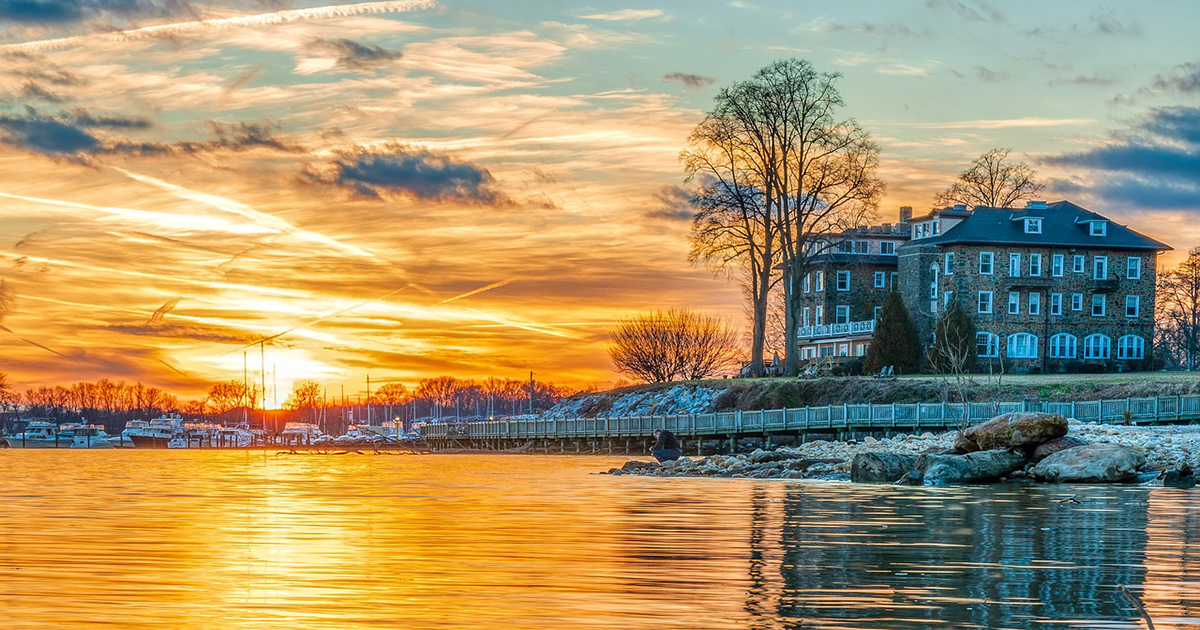
According to the Chesapeake Bay Foundation, the Chesapeake Bay is the largest estuary in the United States, and the third largest in the world. Stretching across six states–Delaware, Maryland, New York, Pennsylvania, Virginia, West Virginia–and the District of Columbia, the Bay and its watershed support more than 18 million people and provide habitat for over 3,600 species of plants and animals. It is an important ecological, economic, and cultural resource, supporting fisheries, tourism, shipping, and local communities through the Mid-Atlantic.
Chesapeake Bay Foundation–Facts
The Chesapeake Bay, however, has long faced significant environmental challenges, including nutrient and sediment pollution, habitat loss, and the effects of climate change.
Chesapeake Bay Foundation–Runoff Pollution
Chesapeake Bay Foundation–Water Quality
Chesapeake Bay Foundation–Habitat Loss
Chesapeake Bay Foundation–Climate Change
In response to growing concerns about water quality nationally, Congress passed the Federal Water Pollution Control Act in 1972, better known as the Clean Water Act (CWA). Its purpose was to “restore and maintain the chemical, physical, and biological integrity of the Nation’s waters.” The 1987 amendments to the CWA added Section 117, which specifically addressed the Chesapeake Bay and formally established the Chesapeake Bay Program, a regional partnership that brings together federal and state governments, local communities, and stakeholders. The program created a framework for collaborative action to reduce pollution, restore habitats, and track progress in improving water quality and ecosystem health.
This guide is intended to represent a collection of legal resources relating to the Chesapeake Bay Program. While the Center for Agricultural and Shale Law makes every effort to maintain and update the content furnished in this resource room, no warranty or other guarantee is made regarding the timeliness or accuracy of any information provided.